Gentle Hair and Skin Care for Toddlers
Small children need far less product than the shelf suggests, and the routine matters more than the bottle. A few practical habits handle dryness, tangles and the daily negotiation that hair care can become.
Less product, applied better
A toddler's skin barrier is still developing and is more permeable than an adult's. Frequent washing with strong cleansers strips it, which produces the dryness that people then treat with more product.
Two or three washes a week with a mild cleanser is enough for most children, with plain water in between. This is not neglect; it is what dermatologists generally recommend for young skin.
Where a product specifies a quantity, that quantity is usually smaller than instinct suggests.
Detangling: technique before product
Always detangle damp rather than dry, and always work from the ends upwards. Starting at the roots drags every tangle down into a larger one, which is why hair brushing goes badly.
Use fingers first to separate the biggest tangles, then a wide-tooth comb, then a brush if you use one at all. Hold the hair above the tangle so tension is on your hand rather than on the scalp.
A leave-in conditioner provides the slip that makes this possible. It is the single most useful product in the category.
Fine and straight hair
Fine hair tangles less but flattens quickly and can be weighed down by heavy conditioners. A light leave-in used sparingly on the mid-lengths and ends is plenty; avoid the roots.
Wash more of the scalp and less of the length. The length is rarely dirty; the scalp is.
Air dry where possible. Heat tools have no place on a toddler's hair.
Curly and coily hair
Textured hair is drier by structure, because natural oils travel down a coiled strand less easily. It needs more conditioning and less washing than straight hair, not the other way round.
Work in sections. Four sections, clipped apart, turns an impossible job into four manageable ones, and it is the difference between five minutes and thirty.
Apply leave-in to soaking wet hair rather than towel-dried, and rake it through with fingers to define rather than disturb the curl pattern.
Oils, and using them correctly
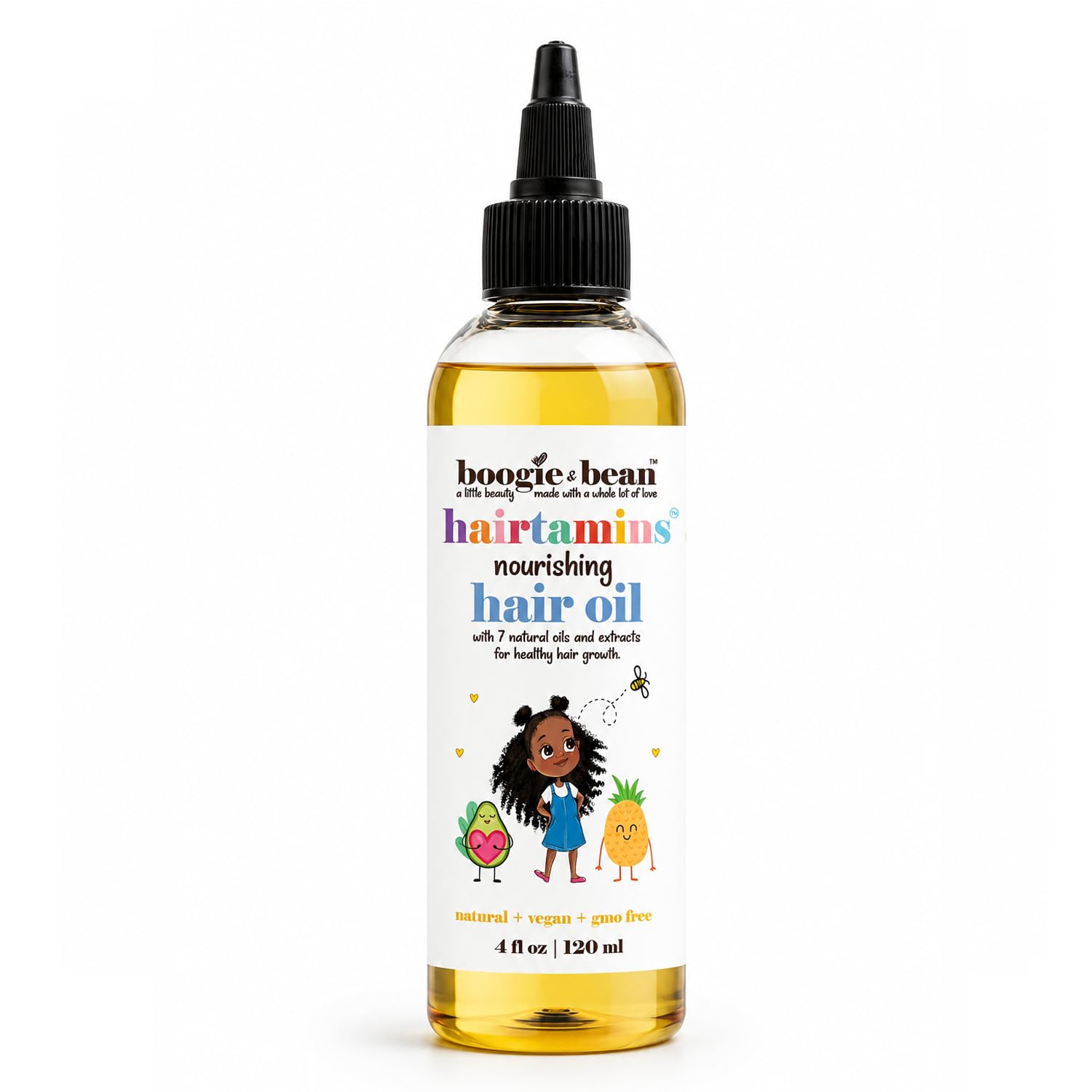
A nourishing oil helps seal moisture into hair that has already been hydrated. Applied to dry hair with no water underneath it, an oil mostly sits on the surface and attracts lint.
Warm a very small amount between your palms and apply to damp hair and, if the scalp is dry, sparingly to the scalp. Follow the product's own age guidance.
Build up gradually. Too much oil is difficult to remove without a stronger wash, which restarts the dryness cycle.
Towels, pillowcases and friction
A terry towel roughs up the hair cuticle and creates frizz and breakage. A soft cotton t-shirt or a microfibre towel squeezed rather than rubbed does the same job without the damage.
For textured hair, a satin or silk pillowcase materially reduces overnight friction and tangling. It is one of the highest-value small changes in the whole routine.
Loose protective styles overnight help for longer hair, provided they are genuinely loose. Tension at the hairline causes real damage over time.
Reading a label and patch testing
Check the age guidance on the pack and follow it rather than a general assumption about what is gentle. Fragrance is the most common irritant in children's products.
Patch test anything new on a small area of the inner arm and wait twenty-four hours, particularly for a child with eczema or a history of reactions.
Introduce one product at a time. If something reacts, you want to know which.
When to stop and ask
Persistent scalp flaking, patches of hair loss, sores, or skin that is broken, weeping or not settling with gentle care all deserve a clinician's opinion rather than another product.
We sell care products and we do not diagnose. Anything that looks like a skin condition rather than dryness belongs with a paediatrician or a dermatologist.
For ordinary dryness and tangles, the routine above handles most of it.
Where to go next
Leave-in conditioners and nourishing oils are in Hair & Skin Care, with the maker's age guidance repeated on each listing.
Shop Hair & Skin Care
Related articles
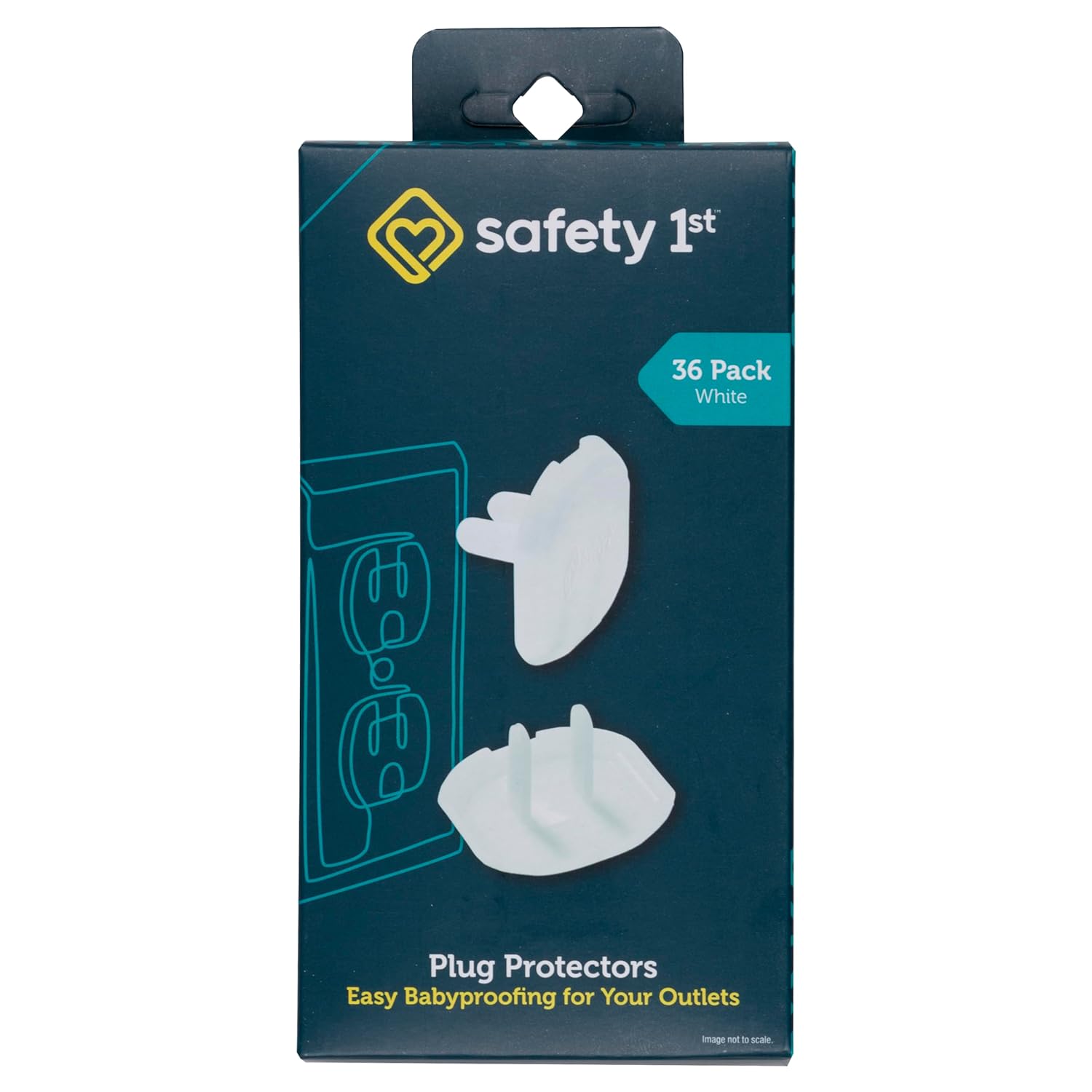
- A Room-by-Room Baby Proofing Order That Makes Sense — Which rooms to secure first once a baby starts moving, and the two jobs worth doing before anything else.
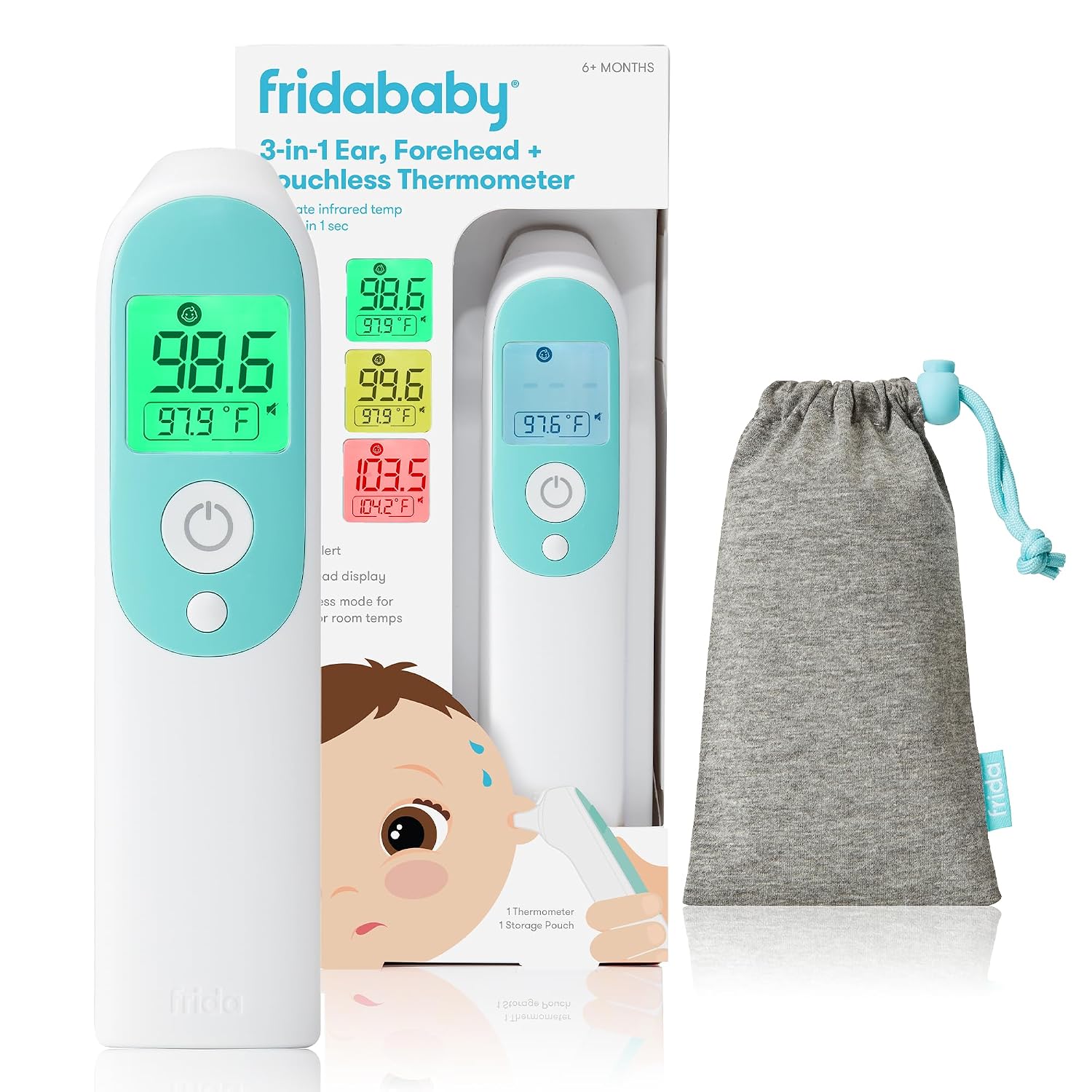
- How to Take a Child's Temperature, and What the Reading Means — Forehead, ear and touchless thermometers compared, plus the technique that makes readings consistent. Not medical advice.
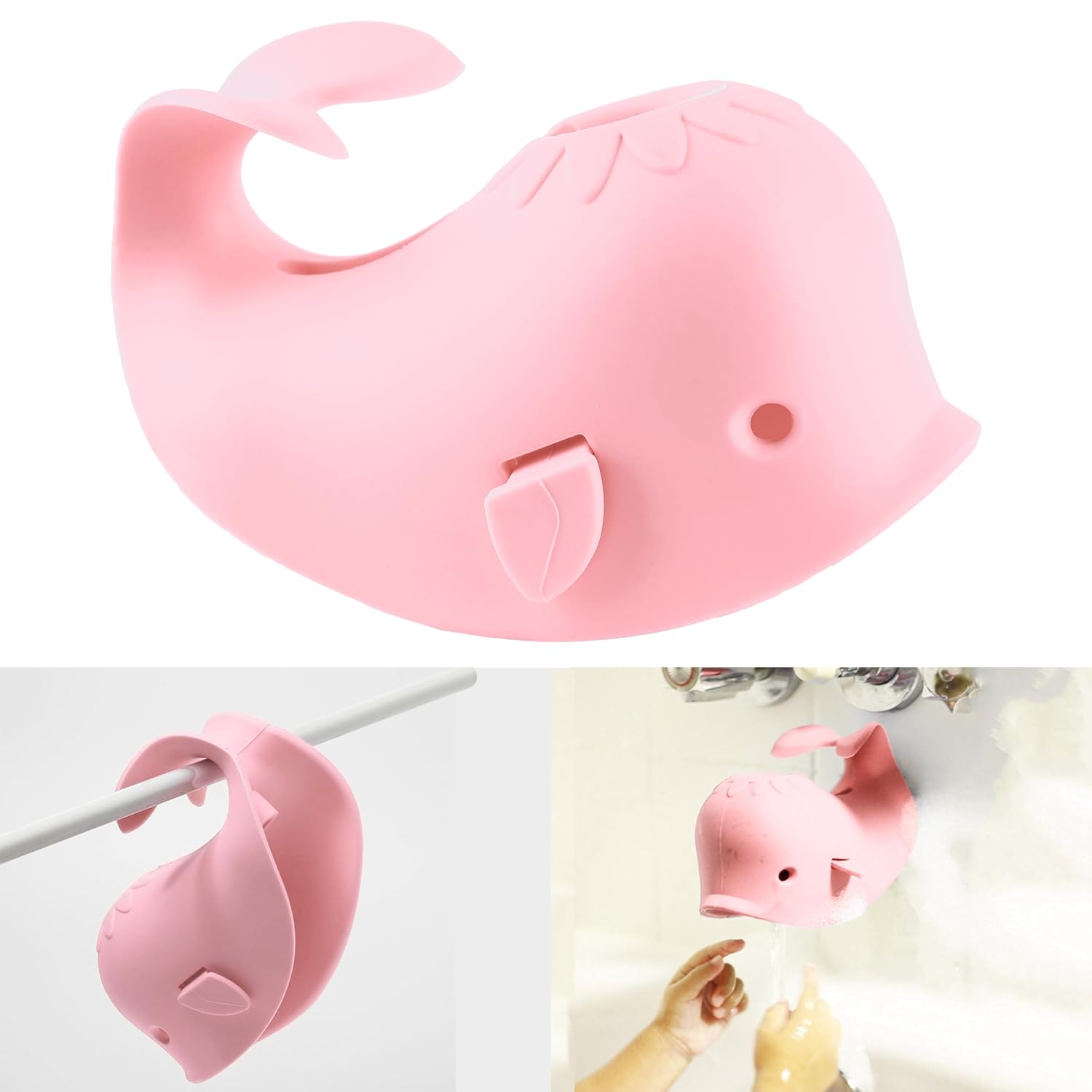
- Bath Time Without the Drama — Spout covers, tear-free rinsing and water temperature. Practical steps that remove the two things children usually object to.
- Teething: What Helps, and What to Be Careful With — Cooling gels, pressure and the products to avoid. Practical comfort measures, with the limits stated plainly.
- Choosing Cabinet Latches for a Rented Apartment — Adhesive versus screw-mounted, which surfaces hold, and how to fit latches you can remove cleanly at move-out.