Choosing Cabinet Latches for a Rented Apartment
In a rental, a baby-proofing product has two jobs: hold a determined toddler out, and come off at move-out without leaving a mark. Those pull in opposite directions, and the choice of latch type is where the compromise is made.
Adhesive latches: what holds and what does not
Modern adhesive latches use a foam-core tape that bonds well to smooth, sealed, non-porous surfaces: painted MDF, laminate, sealed hardwood and melamine. They hold poorly on raw wood, textured paint, vinyl wrap that is already lifting, and anything greasy.
Kitchen cabinets near a hob are the classic failure. A film of cooking grease that is invisible to the eye is enough to prevent a proper bond.
Clean with isopropyl alcohol rather than a kitchen spray, which leaves its own residue.
Surface preparation and cure time
Clean, dry, press firmly for the full time the instructions specify, and then leave it alone for the stated cure period — commonly twenty-four hours — before loading it. Skipping the cure is the single most common cause of a latch that fails a week later.
Cold surfaces bond poorly. If the kitchen is cold, warm the area slightly with your hand before applying.
Fit every latch in a session, then leave them all overnight. It is easier than remembering which ones are ready.
Screw-mounted latches: when they are worth it
For heavy doors, drawers that get pulled hard, and anything a determined three-year-old has already defeated, a screw-mounted latch is considerably stronger. Two small screws in the inside face of a cabinet door are almost invisible.
Most landlords consider small interior screw holes in cabinetry unremarkable, but ask rather than assume, and get the answer in writing if you can.
Fill with a matching wax stick or filler at move-out; the repair takes minutes.
Magnetic latch systems
Magnetic systems mount entirely inside the cabinet and are released with a magnetic key held against the outside of the door. Nothing is visible from the front, which is why they suit kitchens people care about.
They are the most expensive option and they depend entirely on not losing the key. Buy a system with two keys and mount one high on the fridge.
They also require accurate positioning; a few millimetres out and the key will not release the catch.
Where latches genuinely matter
Cleaning products, dishwasher tablets, medicines, alcohol, sharp implements, plastic bags and small hard objects. Everything else is a judgement call and most of it does not need a latch.
Relocating hazardous items above adult head height is stronger than any latch. Use latches for what cannot be moved.
Dishwasher detergent deserves specific mention: it is highly caustic, it is stored low by definition, and it is a common cause of serious injury.
Drawers, appliances and the awkward cases
Drawers need a latch designed for the geometry; a door latch fitted to a drawer usually fouls the runner. Sliding cabinet locks work well on paired handles.
Ovens, dishwashers and washing machines have their own appliance locks. A standard adhesive latch will not survive the heat near an oven door.
Fridge locks are widely sold and rarely necessary; the contents of a fridge are usually a mess rather than a hazard.
Testing like a toddler
After fitting, test each latch by pulling hard and repeatedly, and by pulling at an angle from the bottom corner, which is how a small child actually applies force.
Check the gap the door opens to before the latch engages. If a small hand fits through that gap, the latch is not doing its job even though it is technically engaged.
Retest every few months; adhesive weakens and children get stronger.
Removing them cleanly at move-out
Warm adhesive with a hairdryer on low for thirty seconds and the bond softens enough to peel rather than tear. Pull slowly at a shallow angle rather than straight out.
Residual adhesive comes off with a plastic scraper and a little isopropyl alcohol or a citrus-based remover. Do not use a metal blade on painted surfaces.
Done this way, adhesive latches leave nothing behind, which is the whole reason to prefer them in a rental.
Where to go next
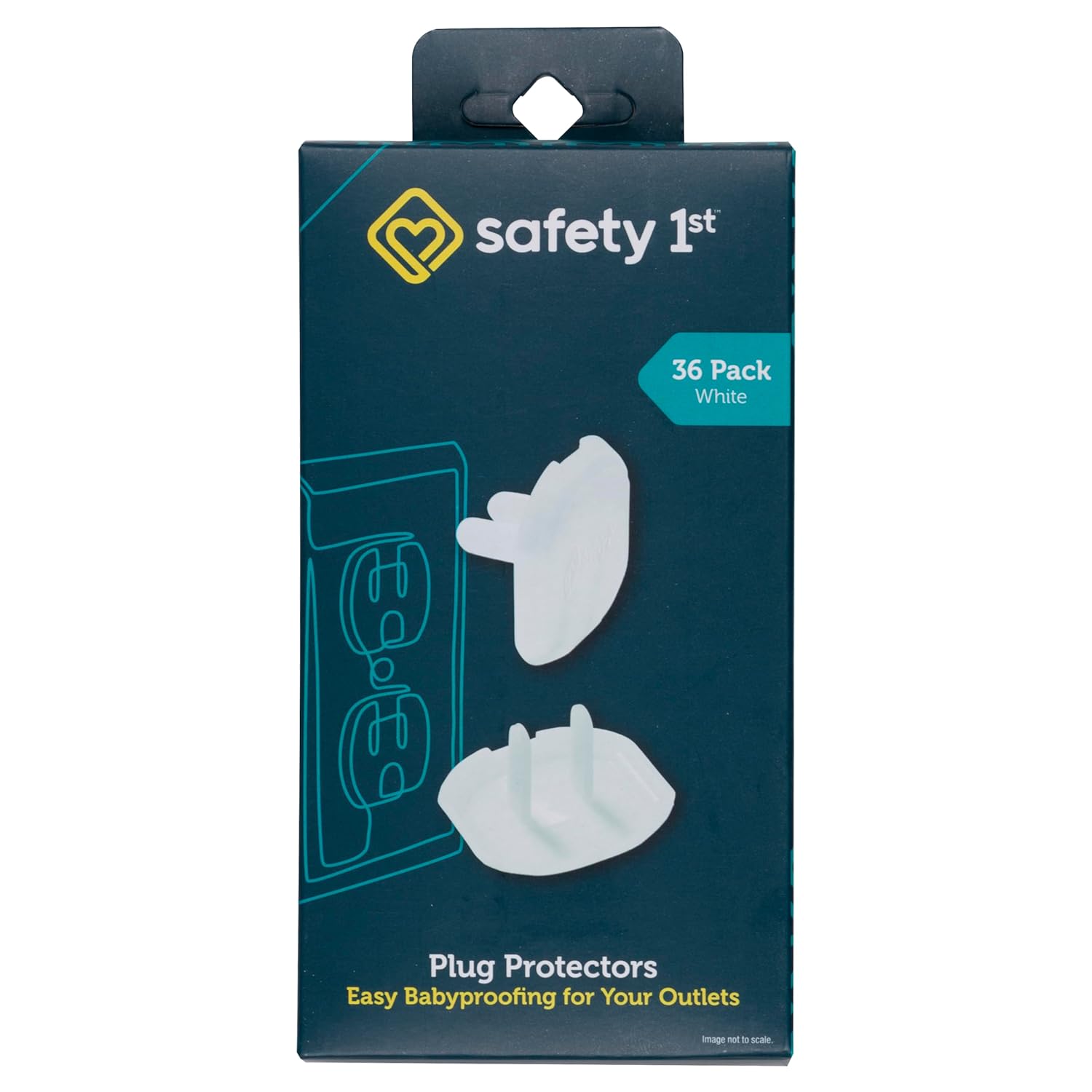
Cabinet latches, outlet covers and door knob covers are in Baby Proofing, with mounting type listed on each.
Shop Baby Proofing
Related articles
- A Room-by-Room Baby Proofing Order That Makes Sense — Which rooms to secure first once a baby starts moving, and the two jobs worth doing before anything else.
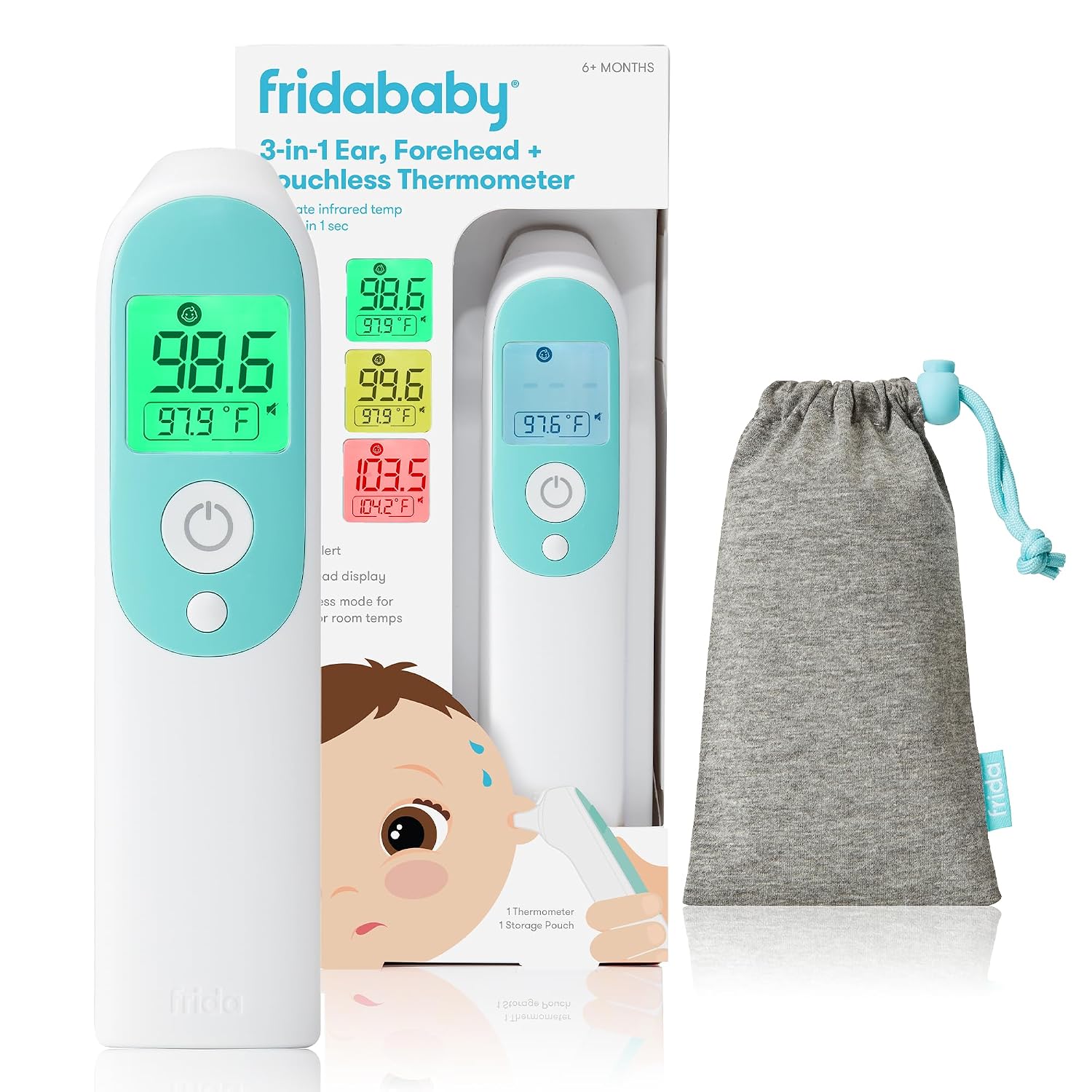
- How to Take a Child's Temperature, and What the Reading Means — Forehead, ear and touchless thermometers compared, plus the technique that makes readings consistent. Not medical advice.
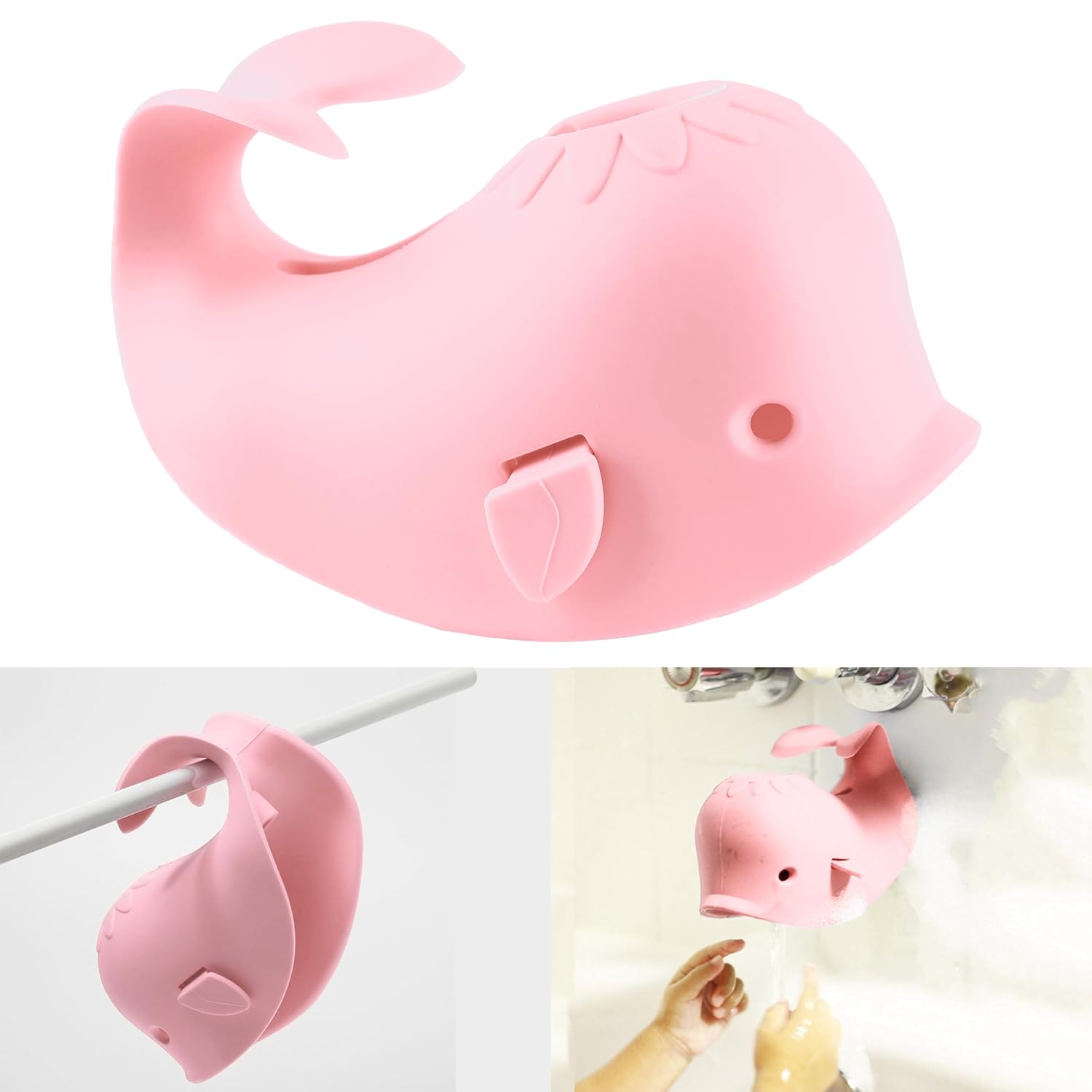
- Bath Time Without the Drama — Spout covers, tear-free rinsing and water temperature. Practical steps that remove the two things children usually object to.
- Teething: What Helps, and What to Be Careful With — Cooling gels, pressure and the products to avoid. Practical comfort measures, with the limits stated plainly.
- Gentle Hair and Skin Care for Toddlers — Detangling, dryness and how little product is actually needed. Practical routines for fine, curly and coily hair.