A Room-by-Room Baby Proofing Order That Makes Sense
Baby proofing an entire apartment in one weekend is neither necessary nor realistic. Hazards arrive in a rough order as a child gains mobility, and doing the work in that order means the important things are done when they matter.
Start at floor level, everywhere
A baby who has just started crawling can reach nothing above about eighteen inches, so the first pass is purely at floor height. Walk each room on your knees and look at what is within reach from that position.
The two jobs that come out of this pass, in every home, are electrical outlets and the lowest cabinets. Everything else can wait a few weeks.
This is a genuinely useful exercise even for people who think they know their home. Cables behind furniture, a loose vent cover and a bin with a swing lid all look different from the floor.
Outlets: covers versus plates
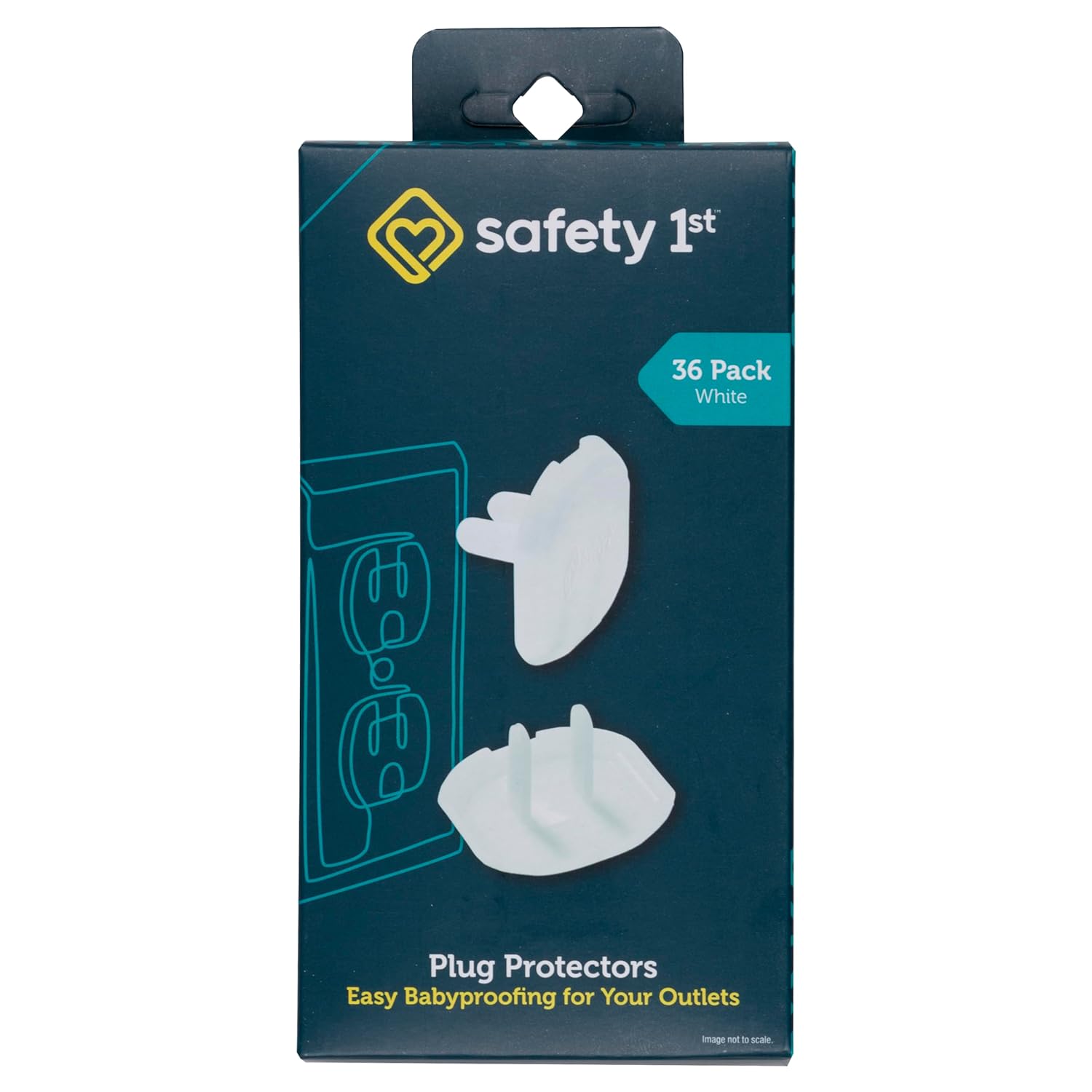
Simple push-in outlet caps are inexpensive and effective, and their weakness is that adults remove them and do not replace them. They are also a choking hazard if a child manages to extract one, so choose a design that requires a deliberate pull rather than a fingernail.
Sliding safety plates replace the whole faceplate and close automatically when a plug is removed. They cost more, require a screwdriver, and cannot be lost, which makes them the better long-term answer for outlets in constant use.
Cover every accessible outlet, including the ones behind furniture, because furniture moves.
Cabinets: which ones actually matter
Not every cupboard needs a latch. Prioritise anything containing cleaning products, medicines, sharp implements, plastic bags or small hard objects. A cupboard of saucepans is noisy rather than dangerous.
Adhesive latches suit rented apartments and light doors; screw-mounted latches hold better on heavy doors and drawers that get pulled hard. Both are defeated by an adult in a hurry, which is the point at which they stop working.
Leaving one low cupboard deliberately unlatched, filled with safe things a child may open, reduces the amount of time they spend testing the latched ones.
The kitchen, in order
Under-sink cupboard first, because that is where cleaning products live in almost every home. Then the drawer with the knives, then the oven door if it has a low handle, then the bin.
Move cleaning products up rather than relying only on a latch where you can. A latch is a delay; relocation is a solution.
Turn pan handles inwards as a habit from the start; it is free and it becomes automatic.
Bathrooms and the water question
Medicines and cosmetics go up and out of reach, not behind a latch. The bathroom cabinet is where the highest-consequence items in a home usually are.
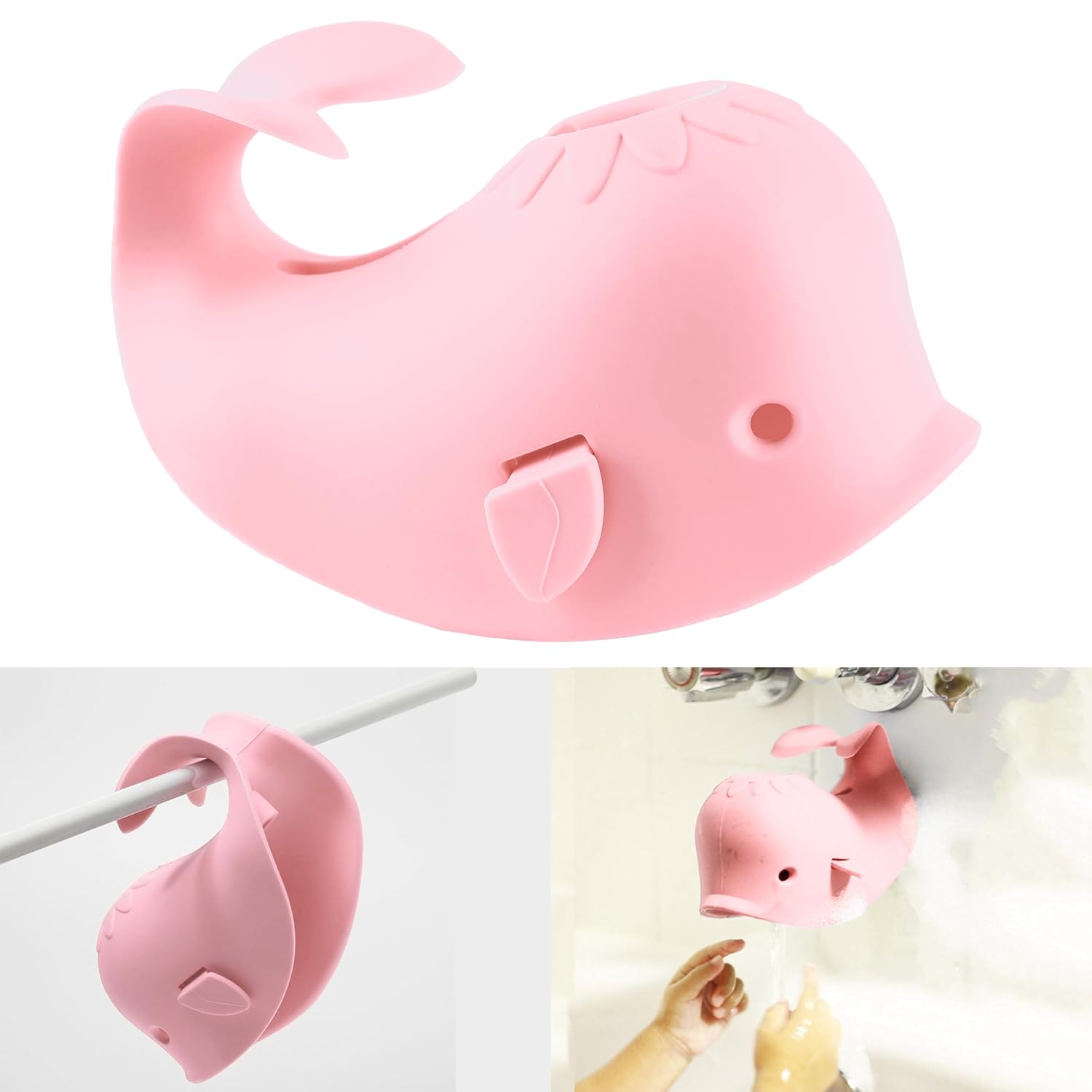
A spout cover in the bath prevents the head knock that produces the loudest crying of any bathroom incident, and a soft rinse cup makes hair washing survivable for everyone.
Never leave a child unattended in a bath, at any depth, for any length of time. No product changes that.
Doors, and the pinch you have not thought about
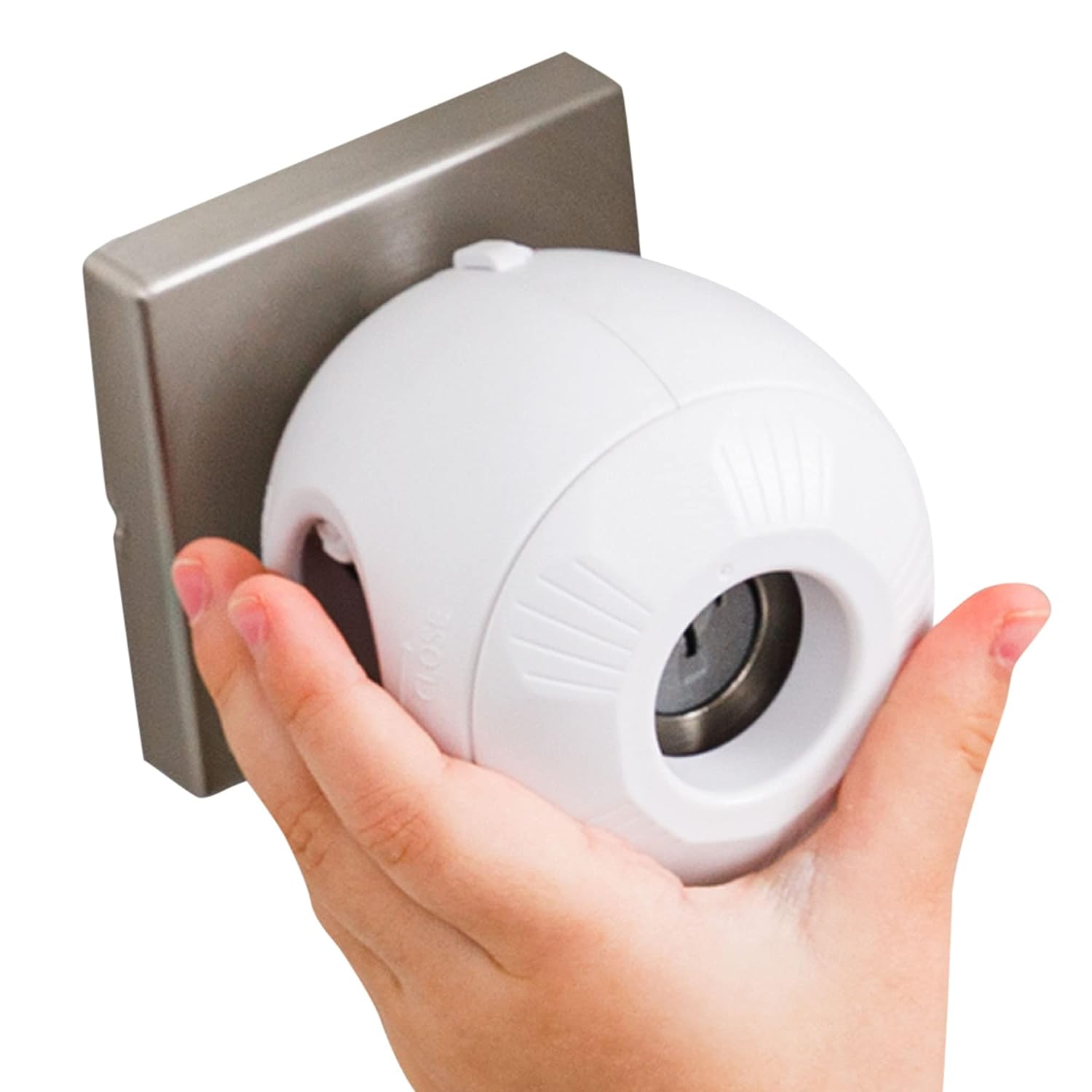
Door knob covers stop a toddler opening a door to a stairwell, a balcony or a cupboard. They need to be the hard-to-remove type; the cheap ones come off in a determined hand within a week.
Hinge-side finger guards address a different and very common injury. A door closing on the hinge side exerts enormous force in a small gap.
Check whether your building requires doors to remain openable from inside for fire safety before fitting anything to an apartment entrance door.
Furniture anchoring is not optional
Any freestanding unit taller than it is wide should be strapped to the wall, including dressers, bookcases and televisions on stands. This is the hazard with the most serious consequences and the lowest cost to prevent.
Anti-tip straps come with most furniture and are frequently left in the box. Fitting them takes ten minutes per item.
Keep tempting objects — a remote control, a toy — off the top of tall furniture, because climbing is the usual mechanism.
What proofing does not replace
Every product in this category buys time and reduces the number of things you have to watch. None of them supervise. A latch slows a determined toddler down; it does not stop one indefinitely.
Re-walk the apartment at floor level every few months, because a child's reach and ingenuity both change quickly.
The aim is not a hazard-free home, which does not exist. It is a home where the serious hazards are behind a barrier and the rest are within sight.
Where to go next
Outlet covers, cabinet latches and door knob covers are in Baby Proofing.
Shop Baby Proofing
Related articles
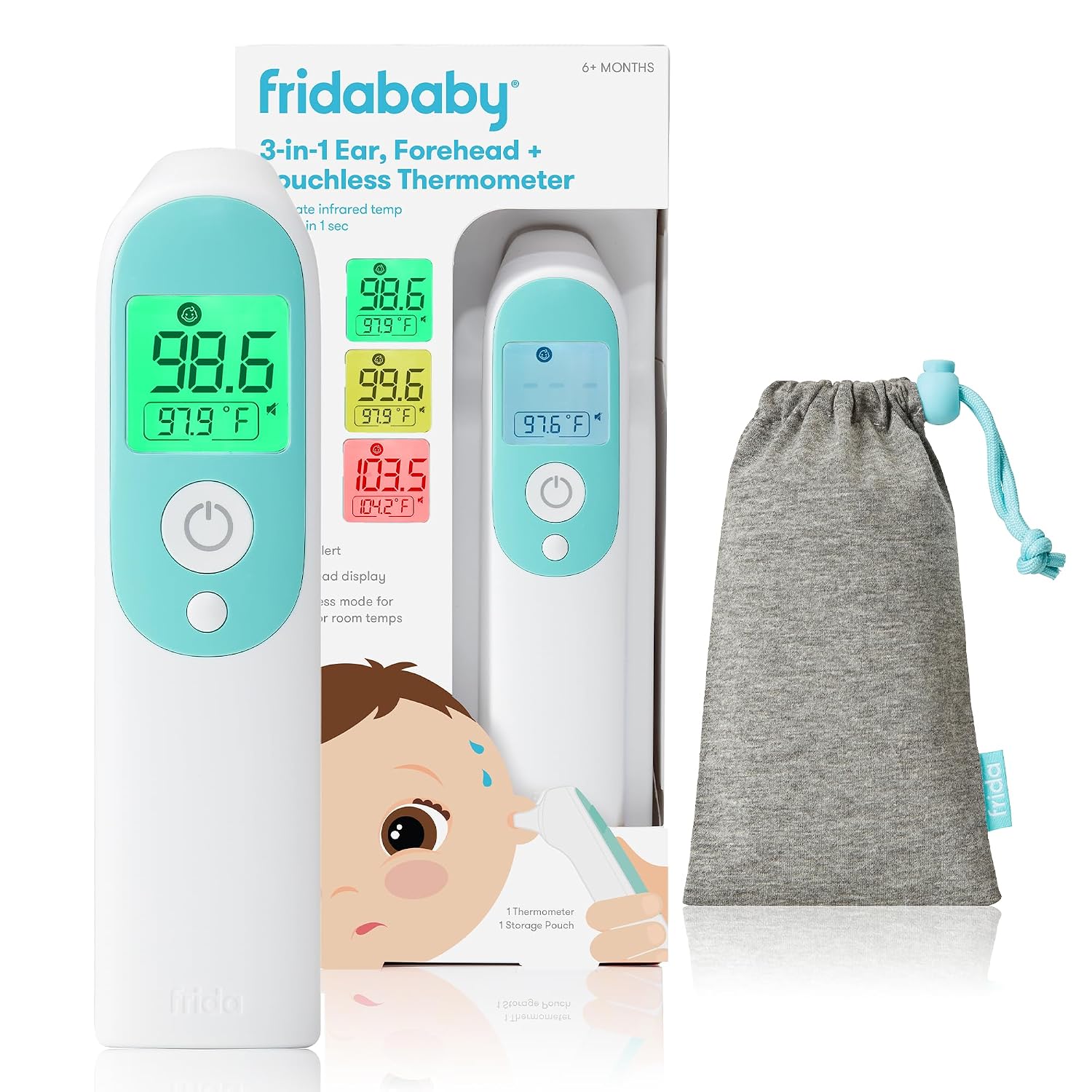
- How to Take a Child's Temperature, and What the Reading Means — Forehead, ear and touchless thermometers compared, plus the technique that makes readings consistent. Not medical advice.
- Bath Time Without the Drama — Spout covers, tear-free rinsing and water temperature. Practical steps that remove the two things children usually object to.
- Teething: What Helps, and What to Be Careful With — Cooling gels, pressure and the products to avoid. Practical comfort measures, with the limits stated plainly.
- Choosing Cabinet Latches for a Rented Apartment — Adhesive versus screw-mounted, which surfaces hold, and how to fit latches you can remove cleanly at move-out.
- Gentle Hair and Skin Care for Toddlers — Detangling, dryness and how little product is actually needed. Practical routines for fine, curly and coily hair.