Bath Time Without the Drama
Most bath-time resistance comes down to two specific experiences: water in the eyes and a knock against the tap. Both are solvable with equipment that costs very little, and the difference in the room is immediate.
Water temperature, checked properly
Bath water for a small child should be comfortably warm rather than hot, and the reliable way to check is with the inside of your wrist or your elbow rather than your hand, which is far less sensitive.
Run cold water into the bath first and add hot, then mix thoroughly and check again. Filling with hot first leaves a hot layer at the bottom that mixing does not always reach.
Turn the hot tap off firmly and check the last drips are not landing where a child sits.
The spout is the injury nobody plans for
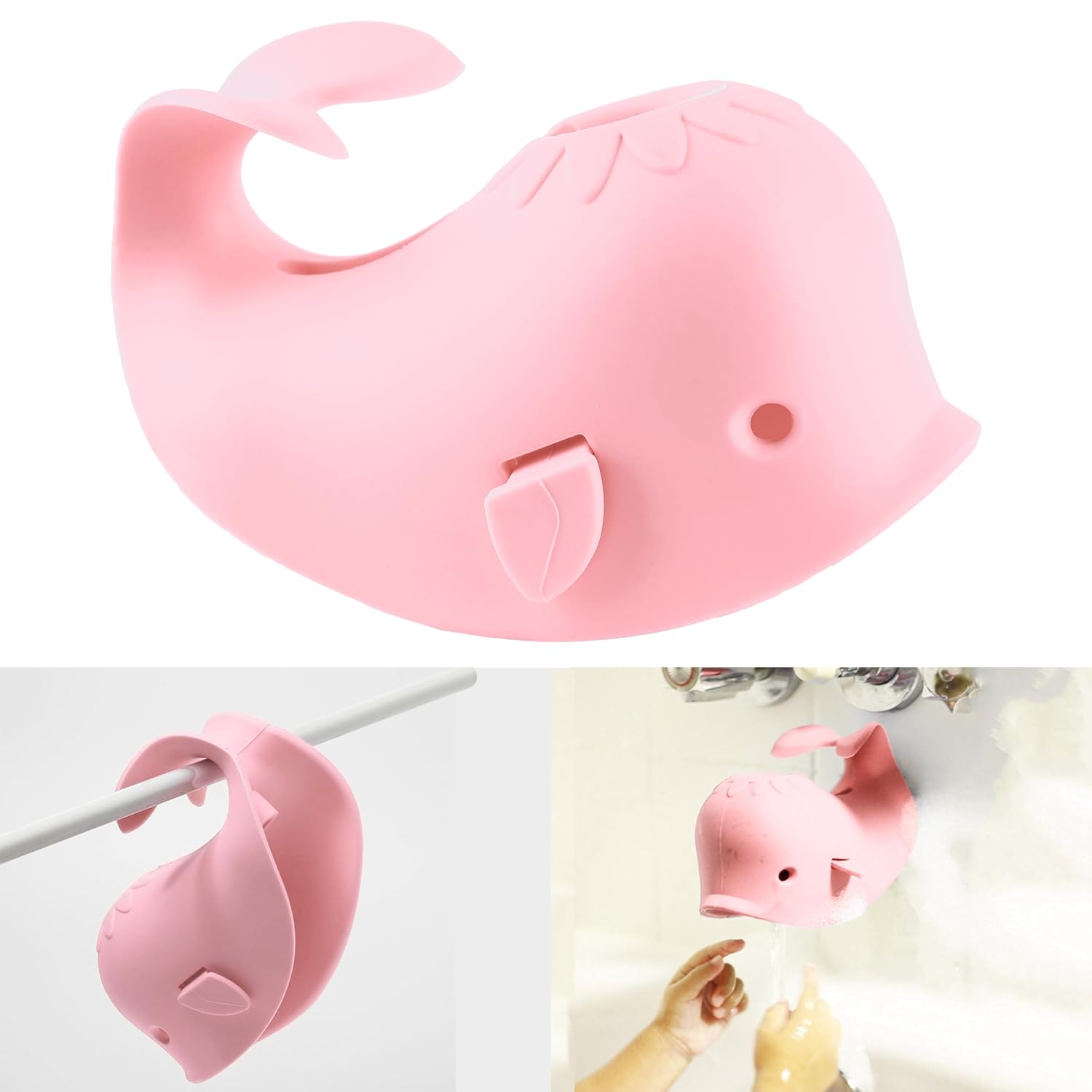
A metal bath spout at head height for a seated toddler is hard, and it is exactly where a slip lands. A soft spout cover absorbs that impact and also insulates a spout that stays hot after the water is off.
Fit it before the child is in the bath and check it is seated properly each time; they are designed to be removable and children discover this.
It is a small purchase that prevents the loudest single event in most bathrooms.
Rinsing without water in the eyes
A rinse cup with a soft flexible edge seals against the forehead and diverts water backwards, which is the entire trick. A jug does not, and that is why hair washing goes badly.
Ask the child to look up at the ceiling and, if they can, hold a dry flannel over their eyes. Combining the cup with the flannel removes the sensation almost entirely.
Wash hair at the end of the bath rather than the start, so the unpleasant part is not followed by ten minutes of sitting in the water anticipating it.
Products, and how few you need
Small children need very little. A mild cleanser used sparingly two or three times a week is enough for most, and plain water is fine on other days. Over-washing strips the skin barrier and causes more problems than it solves.
Follow the age guidance printed on any product rather than a general assumption. Where a manufacturer specifies an age, we repeat that rather than broadening it.
Patch test anything new on a small area first, particularly for a child with a history of reactions.
Detangling and hair care
A leave-in conditioner makes combing possible without pulling, which is the other common source of tears. Apply to damp rather than soaking hair, work through with fingers first, then use a wide-tooth comb from the ends upwards.
For coily and textured hair, sectioning is what makes it manageable. Work in four sections rather than attempting the whole head at once.
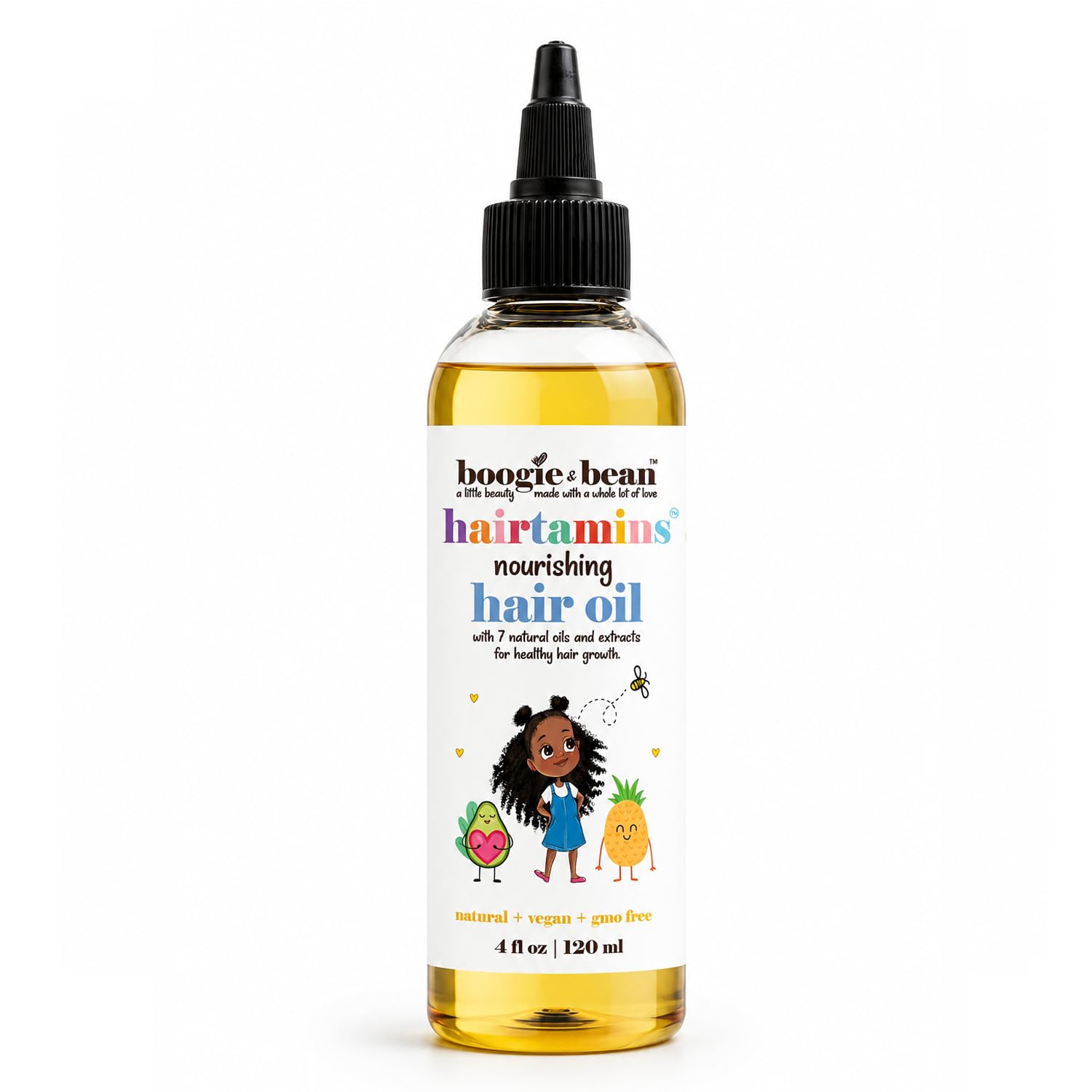
A nourishing oil applied sparingly to the scalp and lengths can help with dryness. Use little, and follow the product's own age guidance.
Nails, and the least stressful timing
Nails are softest immediately after a bath, which makes trimming easier and less risky. A dedicated baby nail kit with rounded scissors and a soft file is designed for the scale involved.
For very small babies, a file alone is often enough and removes the risk of nicking skin entirely.
Trimming while a baby is feeding or sleeping is a widely used approach for a reason.
Slips, mats and the exit
The most dangerous moment is getting out, when everything is wet and a child is being lifted. Have the towel within reach before you start, and put a non-slip mat both in the bath and on the floor beside it.
Never lift a wet child while stepping backwards. Kneel beside the bath instead of leaning over it.
Drain the bath before you leave the room, every time.
Building a routine that holds
Same order, same time, same handful of steps. Predictability does more to reduce resistance than any single product, because a child who knows the sequence knows when it ends.
Keep the whole bath short — ten minutes is plenty for a small child, and long soaks dry the skin.
Once the two physical objections are removed, most of the drama removes itself.
Where to go next
Spout covers, rinse cups, nail kits and gentle hair care are in Bath & Grooming and Hair & Skin Care.
Shop Bath & Grooming
Related articles
- A Room-by-Room Baby Proofing Order That Makes Sense — Which rooms to secure first once a baby starts moving, and the two jobs worth doing before anything else.
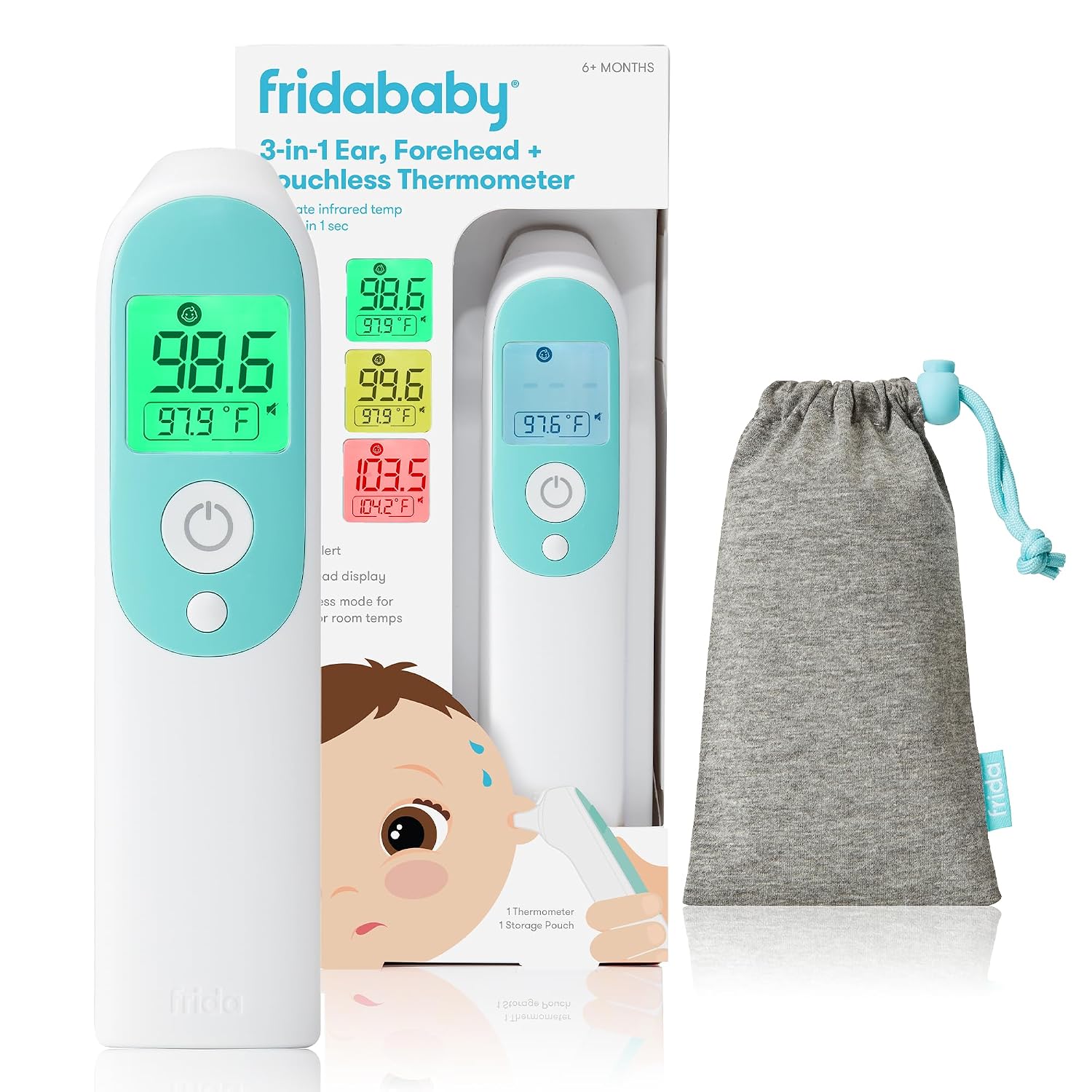
- How to Take a Child's Temperature, and What the Reading Means — Forehead, ear and touchless thermometers compared, plus the technique that makes readings consistent. Not medical advice.
- Teething: What Helps, and What to Be Careful With — Cooling gels, pressure and the products to avoid. Practical comfort measures, with the limits stated plainly.
- Choosing Cabinet Latches for a Rented Apartment — Adhesive versus screw-mounted, which surfaces hold, and how to fit latches you can remove cleanly at move-out.
- Gentle Hair and Skin Care for Toddlers — Detangling, dryness and how little product is actually needed. Practical routines for fine, curly and coily hair.